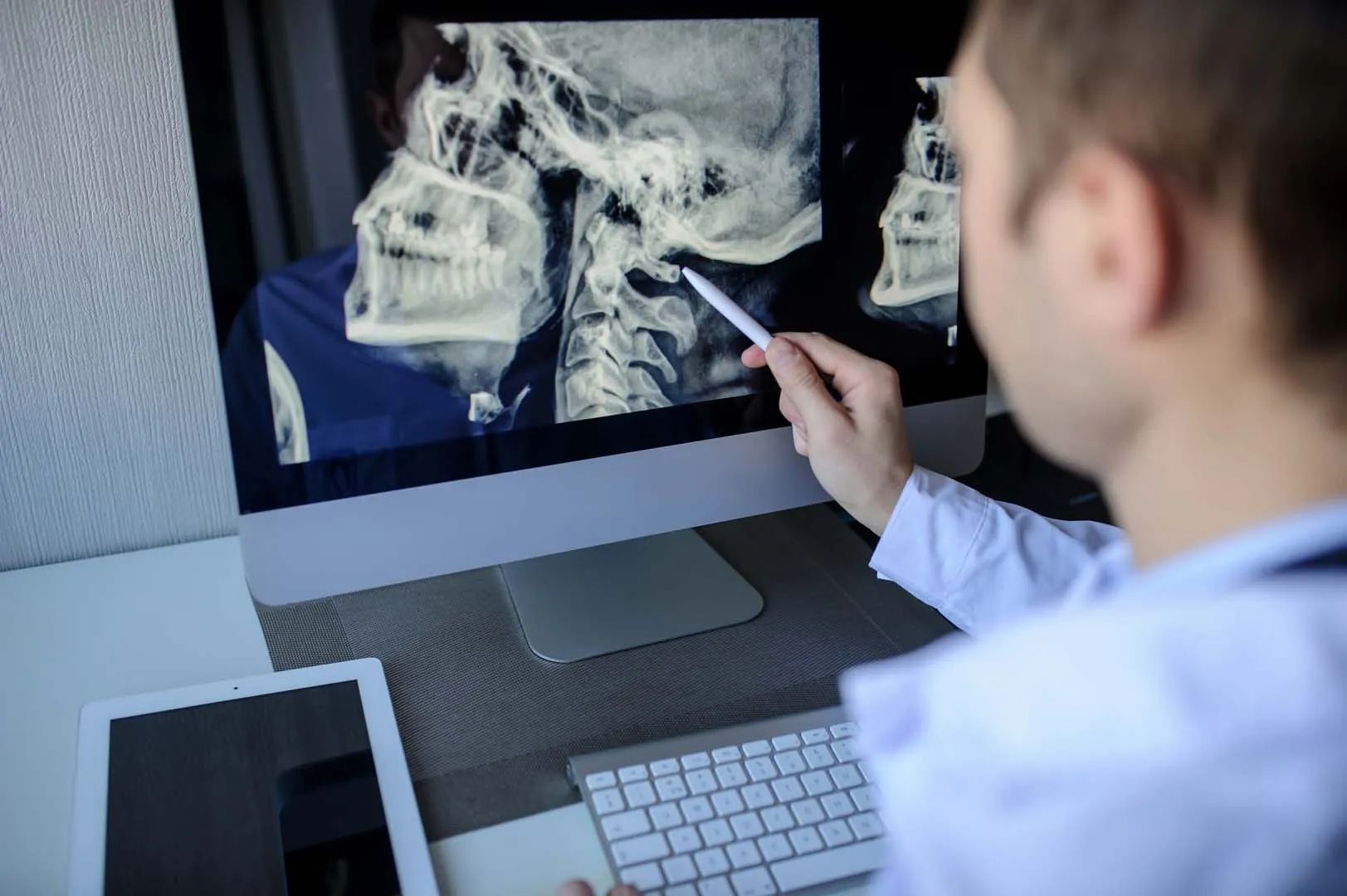
Why Digital X-Rays Are Better for Your Teeth and Your Schedule
Digital X-rays have transformed the way dentists diagnose and treat oral health conditions. Instead of waiting for film to develop, your dentist sees high-resolution images on a computer screen within seconds. This means faster appointments, clearer communication, and treatment decisions made in real time — not on a follow-up visit.
Less Radiation, More Clarity — What Makes Digital Different
The most significant advantage of digital X-rays is the dramatic reduction in radiation exposure — up to 90% less than traditional film X-rays. The digital sensor is more sensitive than film, so it needs far less radiation to produce a high-quality image. At the same time, the images are sharper and can be enlarged, color-adjusted, and enhanced to reveal details that film simply cannot show. This precision helps your dentist detect problems earlier, when they are easier and less expensive to treat.
Digital X-Rays vs. Panoramic X-Rays: Which One Do You Need?
Digital X-rays capture detailed, close-up images of individual teeth and small sections of your mouth. They are ideal for detecting cavities, checking the health of tooth roots, and monitoring existing restorations. Panoramic X-rays, on the other hand, capture a single, wide-angle image of your entire mouth — including all teeth, jaws, sinuses, and temporomandibular joints. Your dentist may recommend both types depending on your needs. Digital X-rays provide the detail; panoramic X-rays provide the big picture.
The Benefits of Digital X-Rays at San Jose Dental Clinic
We invest in digital X-ray technology because it directly benefits our patients. From faster results to fewer retakes, every aspect of the experience is designed with your comfort and convenience in mind.
Faster Results, Fewer Retakes
With digital X-rays, images appear on the screen instantly. If an image needs adjustment, your dentist can retake it immediately — no waiting for film to process. This efficiency means shorter appointments and less time with the sensor in your mouth. Because the images are so clear and adjustable, retakes are rare. You get the information your dentist needs in one comfortable session.
What Happens If Hidden Dental Problems Go Undetected?
Many dental issues — small cavities between teeth, infections at the root tip, bone loss from gum disease, or impacted teeth — show no symptoms in their early stages. Without X-rays, these problems can go unnoticed until they become painful, costly, or threaten the health of your tooth. Regular digital X-rays help your dentist catch these hidden issues early, often saving you from more extensive treatment down the road. Combined with thorough cleanings and exams and intraoral camera evaluations, digital X-rays give us a complete picture of your oral health.
What to Expect During Your Digital X-Ray Appointment
Your digital X-ray appointment is quick and straightforward. You will sit comfortably in the treatment chair while a small, flat sensor is placed in your mouth for a few seconds at a time. The sensor is connected to a computer, so your dentist sees each image immediately. There is no bulky film, no chemical processing, and no long wait. Most patients find the process faster and more comfortable than traditional X-rays. Your dentist will then review the images with you, pointing out any areas of concern and explaining your treatment options in plain language.